

Ulu Cami Bursa, also called Bursa Ulu Cami or Cami Kebir, is the city’s Grand Mosque, set on Atatürk Caddesi in central Osmangazi. Its twenty domes, indoor fountain and extensive calligraphy make it a distinctive stop for understanding Bursa’s Ottoman history and religious life.
- Location: Atatürk Caddesi, Osmangazi, opposite the PTT.
- Admission: free.
- Visiting pattern: published hours differ; prayer times affect access.
Where is Ulu Cami in Bursa?
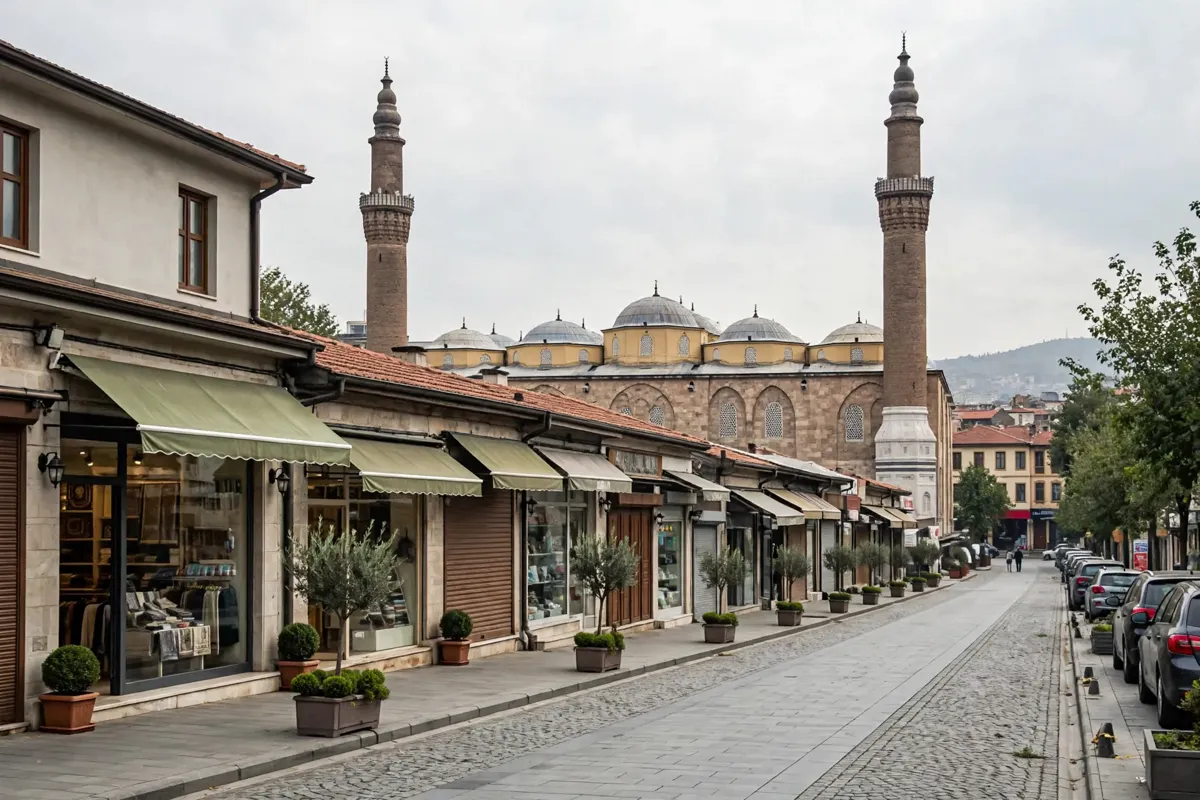
Ulu Cami is in central Bursa, on Atatürk Caddesi in the Osmangazi district. The Ministry of Culture and Tourism places it opposite the PTT, making the street address a useful reference when you’re finding the mosque.
Commissioned by Ottoman sultan Yıldırım Bayezid and completed in 1400, the mosque is thought to have been designed by Ali Neccar, according to the Bursa Provincial Directorate of Culture and Tourism.
Its central setting also makes it easy to include in a day spent around Bursa’s historic core. A walking route through Bursa’s central sights can help you connect the mosque with other stops.
What should you look for at Ulu Cami?
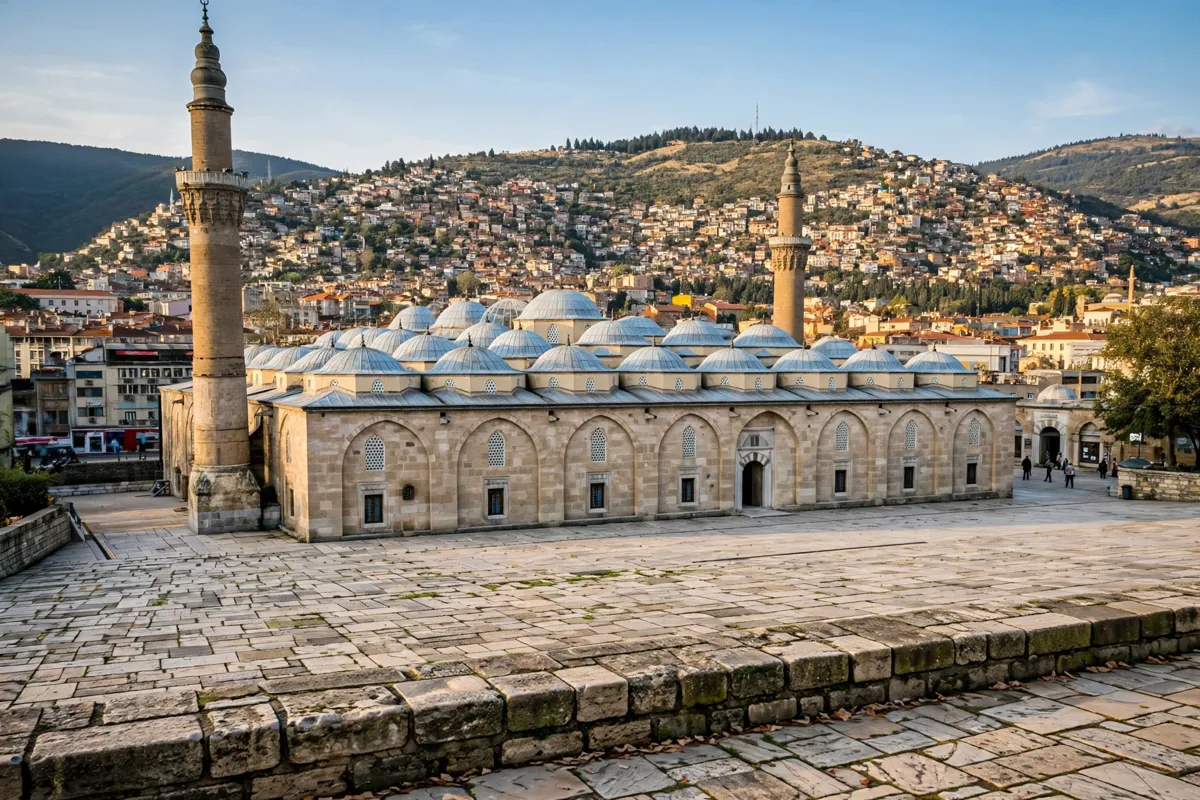
Ulu Cami’s main features include its twenty domes, an indoor fountain beneath the central dome, calligraphic panels and a wooden minbar.
Look up to take in the domed roof, then notice how the fountain sits beneath the central dome. Its basin has sixteen sides, and its fountainhead has three bowls. The Bursa Culture Portal also describes eighty-seven calligraphic panels containing 192 inscriptions, written in thirteen styles by forty-one calligraphers.
The wooden minbar is another detail to look for. It was made using the kündekâri technique, with the pieces fitted together without nails or other joining elements. These features give the interior a wealth of craftsmanship to notice during a visit.
How should you plan your visit?
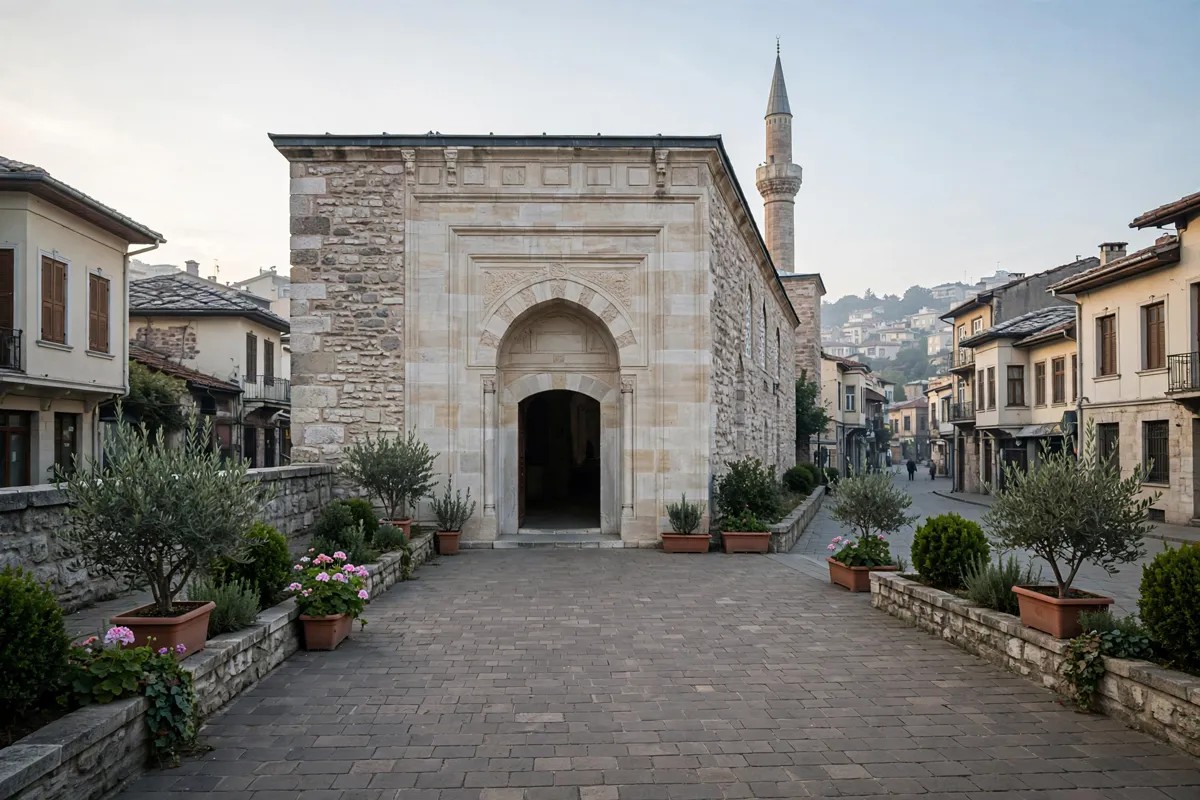
Ulu Cami remains an active place of worship, so plan your visit around prayer and follow the mosque’s visitor etiquette.
Guidance published by the Ministry of Education says visitors may encounter people praying at any time and advises groups to avoid prayer times. Keep your voice low, remove outdoor shoes and enter wearing socks. Take care not to pass in front of people who are praying.
Dress modestly: women should cover their hair and wear long clothing that covers the body’s shape; men should wear long trousers and covered clothing, avoiding shorts and sleeveless tops. The ministry’s page also describes barrier-free access and a guidance service among the site’s accessibility features.
Published visiting-hour guidance ranges from 05:00–23:00 every day to 10:00–18:00 daily, excluding prayer times; occasional locking is also reported. For practical planning, check the official site before you go.
How do you get from Burcman Hotel to Ulu Cami?
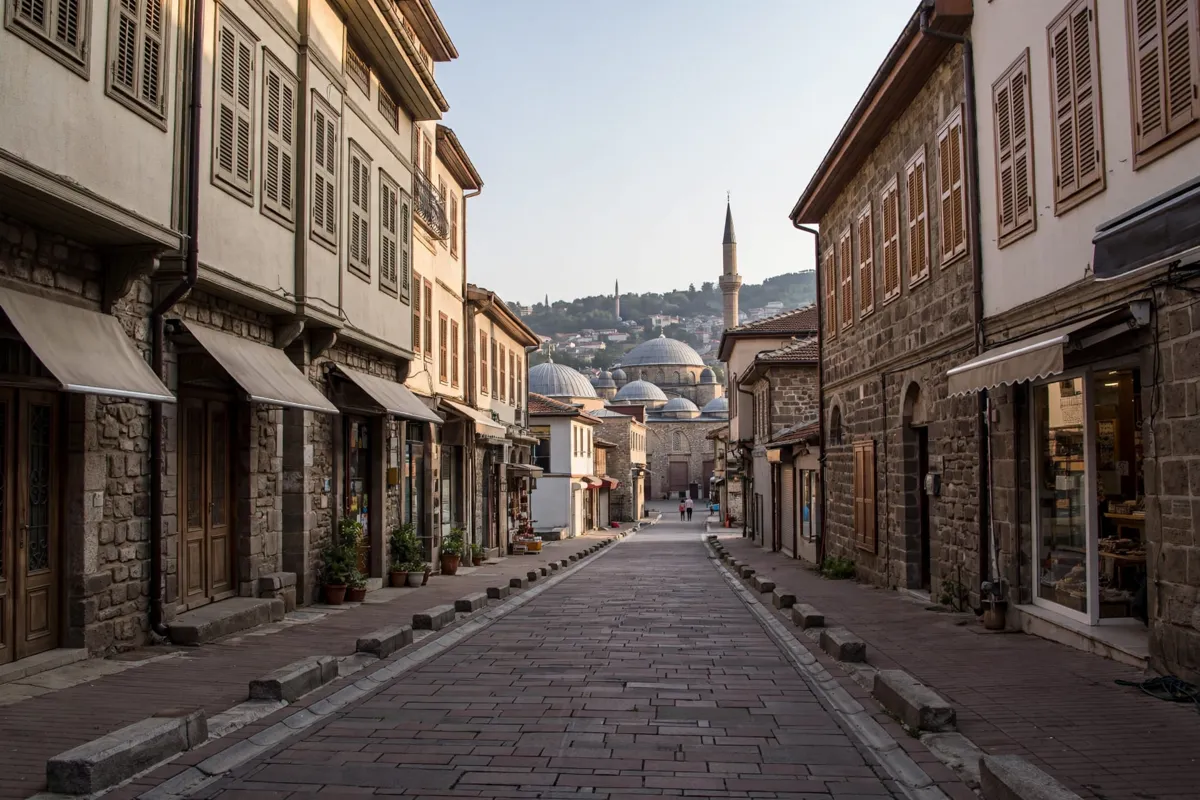
Ulu Cami is about a 22-minute walk or a 7-minute drive from Burcman Hotel. Rooms at this Bursa hotel are available for your visit to the city.
Bursa’s notable religious sites also include Yeşil Cami, Emir Sultan Camii, Yıldırım Camii, Muradiye Külliyesi and Hüdavendigar Cami.
What else can you visit nearby?
Koza Han is a nearby historic stop to pair with Ulu Cami. Its courtyard offers a change of scene after time at the mosque, and a dedicated guide to Koza Han’s historic silk market can help you plan that part of the day.
FAQs
Is Ulu Cami free to enter?
Yes. Admission is free.
What should women wear when visiting Ulu Cami?
Women should cover their hair and wear long clothing that covers their body shape.
Can you visit during prayer times?
Ulu Cami is an active place of worship, and people may be praying at any time. Group visits should avoid prayer times.
What other central attraction can you pair with Ulu Cami?
Bursa City Museum is another central attraction; its practical visitor guide covers what to expect there.